How to Know If Google Ads Can Actually Help Your Business: A Small Business Guide to Better Leads, Clearer Decisions, and Confident Growth in 2026
McGair Valois • 4 December 2025
How to Know If Google Ads Can Actually Help Your Business
A Small Business Guide to Better Leads, Clearer Decisions, and Confident Growth in 2026
You’re wrapping up the year like every other small business: juggling deadlines, closing out your books, planning for a stronger 2026, and also enjoying the holidays, all while trying to keep your sanity.
And underneath all that, one question keeps popping up:
“How do we reliably attract more business next year without wasting money?”
If you’ve never used Google Ads for business — or you’ve tried them before and weren’t impressed — you’re not alone.
Constant Contact found that 73% of small businesses aren’t even sure whether their online advertising works, which makes choosing an ads strategy feel like rolling the dice.
But here’s the good news:
You don’t need a certification or hours inside a dashboard to know whether Google Ads can actually help your business.
You need five simple signals to show whether advertising on Google is likely to pay off in better quality leads and stronger revenue.
These signals work whether:
- You’re considering using Google Ads for the first time
- You tried them previously and weren’t sure they worked
- You’re already running ads and want to know if your strategy is sound
And if you stopped in the past because they felt confusing, expensive, or ineffective, that experience is more common than you think and often completely fixable.
This guide is going to make it possible to step into 2026 with direction, confidence, and a plan that makes sense.
Quick Clarification: What Counts as “Google Ads”
Before we go further, let’s define the basics. “Google Ads” is an umbrella term that includes:
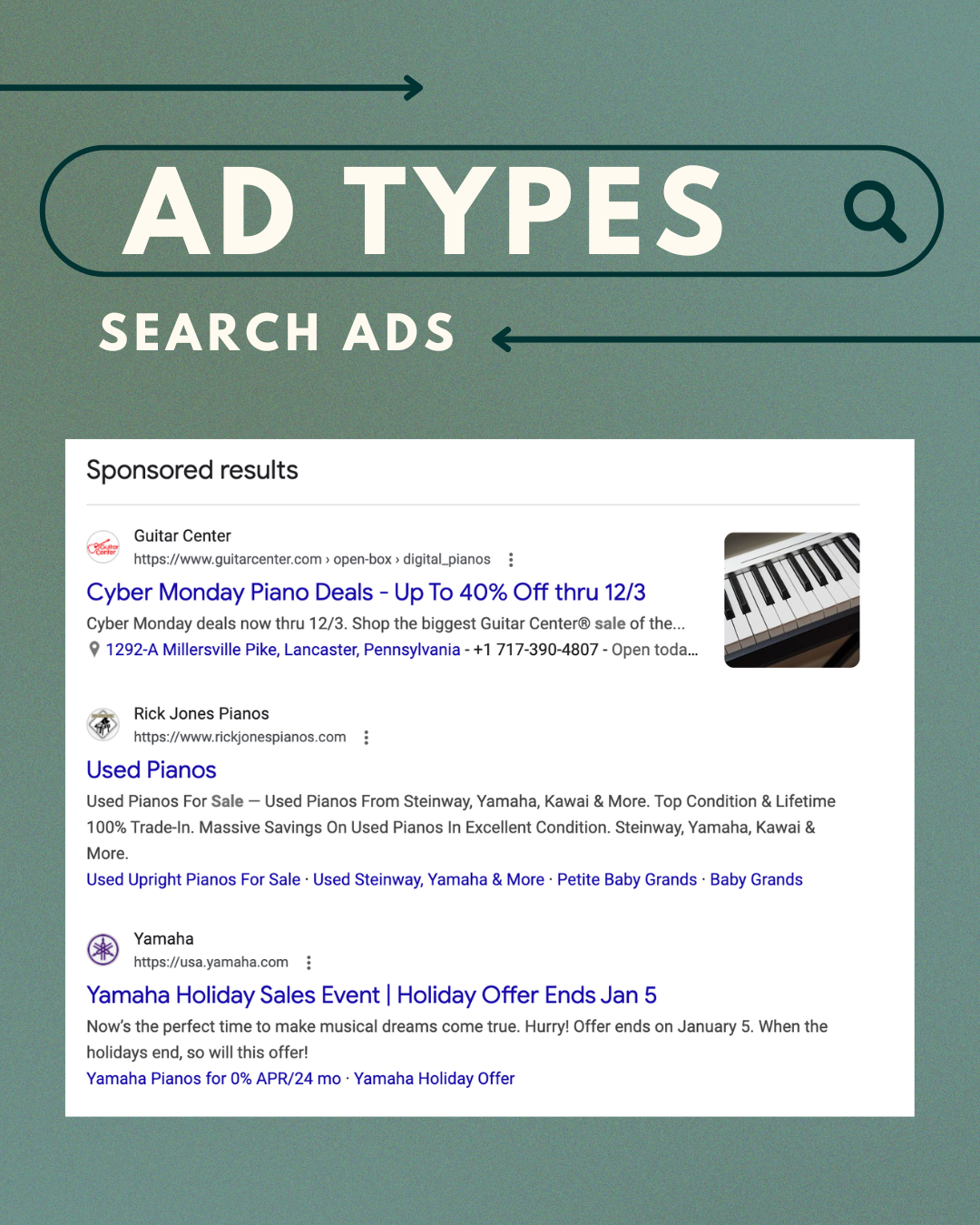
- Search Ads: Text ads appear when someone is actively searching for your services.
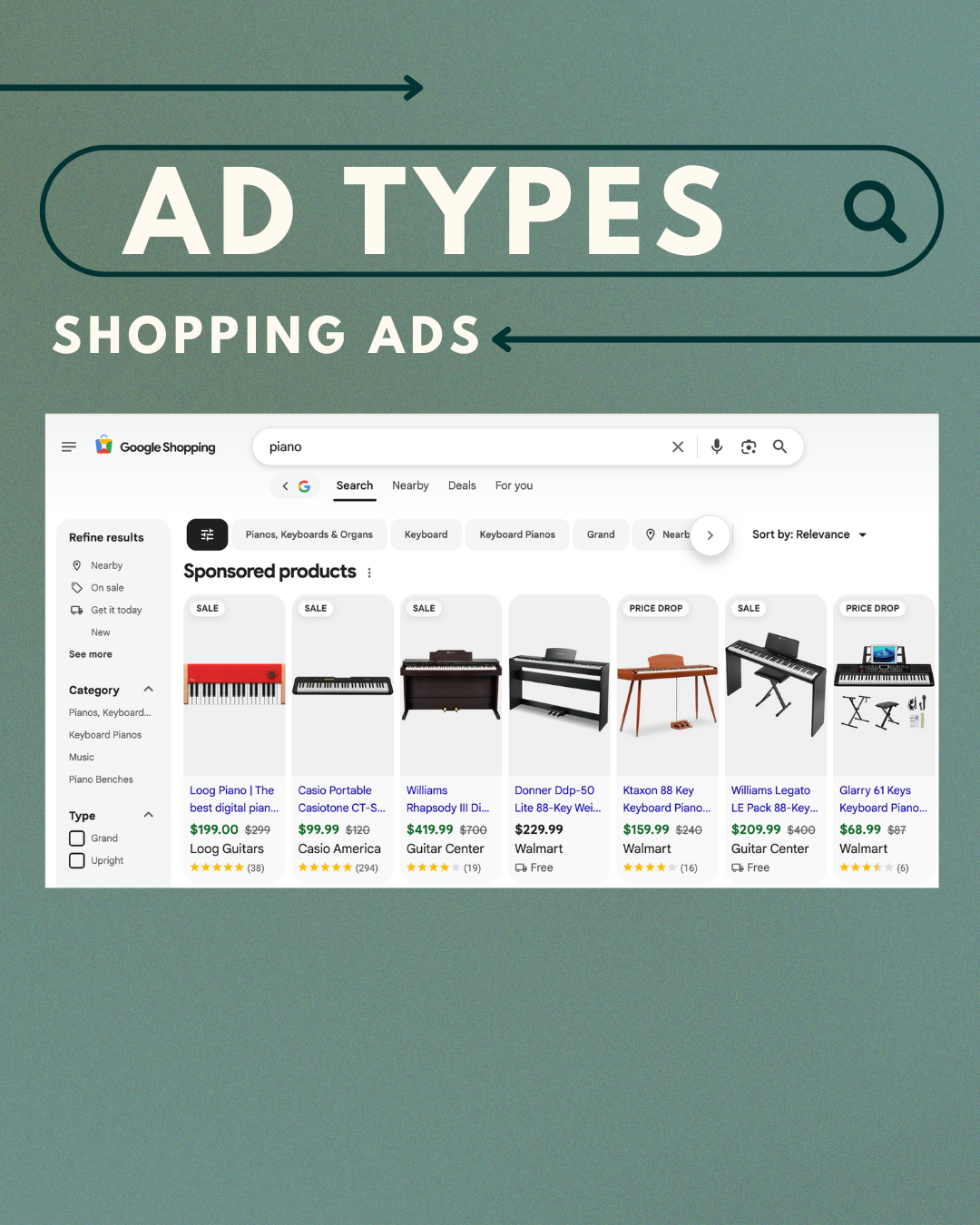
- Shopping Ads: Product ads with photos and prices.
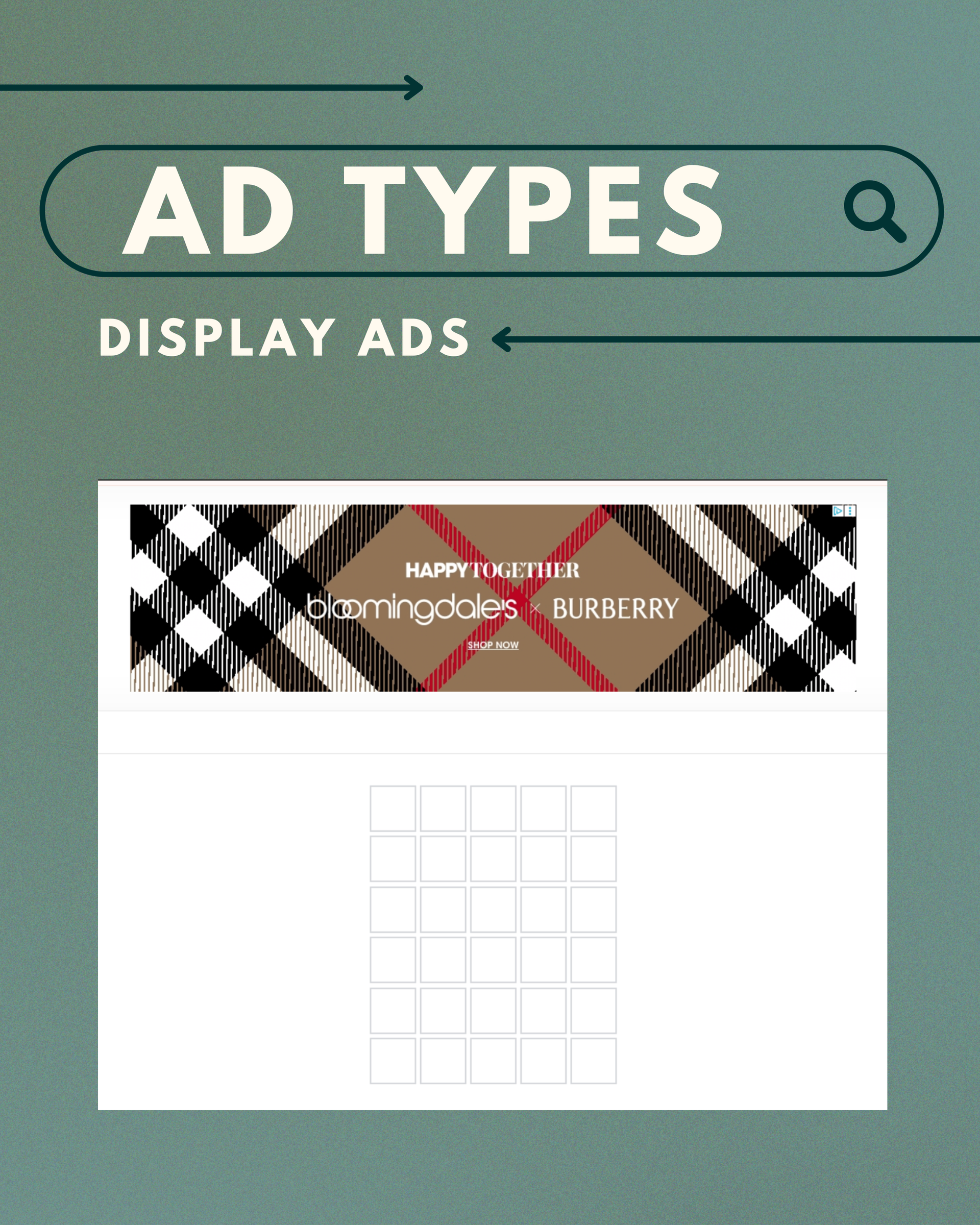
- Display Ads: Image or banner ads that appear on other websites for visibility.
This guide focuses on
Search Ads because they bring in real, live customers, and it’s where budget control matters most.
The 5 Signals That Show Whether Google Ads Will Pay You Back
Your marketing budget is sacred. Every dollar spent has to earn business. These five signals help you answer the real question:
Will investing in Google Ads actually work for your business in 2026?
Here’s how to use them, no matter your starting point:
- If you’ve never used Google Ads: these signals show you what must be true
before you spend a dollar, so you launch from a position of strength instead of guesswork.
- If you tried ads in the past: they reveal why previous campaigns may have struggled and what would need to change for Google Ads to finally work for you.
- If you’re running ads today: they help you quickly spot what’s working, what’s leaking money, and where performance can improve.
Signal 1: You Can Explain in One Sentence What You Want Google Ads to Do
If you can’t define the goal in one clear, revenue-focused sentence, the strategy behind it is probably unlikely to succeed.
Weak goals sound like:
- “Get more visitors.”
- “We need more visibility.”
- “We just want our name out there.”
Those aren’t goals; they’re wishes.
Strong goals sound like:
- “We want [X] booked service calls in our primary area each month.”
- “We want [X] estimates for our most profitable service.”
- “We want [X] appointment requests from new customers.”
These goals are tied to real revenue, which is the only reason to invest in Google Ads in the first place.
Oostas POV:
A contracting company once asked us to “get more clicks on their contact us page.” After one conversation, we reframed it to “more inquiries for basement waterproofing within a 20-mile radius of their ZIP code.” Same budget. Completely different results.
When the goal is clear and tied to revenue, your ads finally know what they’re supposed to deliver.
Signal 2: You Know What a Qualified Lead Looks Like
If you can’t define a qualified lead, Google will unintentionally spend your money on people who are never going to become customers.
A qualified lead is typically someone who is:
- Inside your service area
- Actively looking for the services you provide
- Ready to book or request an estimate
- Dealing with a real project, problem, or timeline
Success isn’t guesswork.
McKinsey found that businesses with clear goals and defined customer criteria see 2–3 times higher marketing ROI.
Oostas POV:
A physical therapy clinic used to target “anyone looking for PT.”
We narrowed it to “post-surgery rehab within 20 miles.” Their cost per lead dropped over the course of weeks.
Being specific saves money. Vagueness wastes it.
Signal 3: Your Ads and Landing Pages Say the Same Thing
When your ads say one thing but your landing pages say something else, customers get confused, they bounce, and your budget goes with them.
Misaligned messaging often looks like:
- The ad says
emergency service, but the page talks about
seasonal maintenance
- The ad offers free estimates, but the form is buried at the bottom of the page.
- The ad promotes one service, but the landing page is generic
Oostas POV:
One of the first things we check in an audit is message match. When the ad and landing page contain the same message, conversions jump almost immediately.
A café ran ads for “holiday catering” but sent people to their home page. We built a catering-specific page. Their leads increased.
Message match turns clicks into customers. Mismatch turns clicks into waste.
Signal 4: You Can Identify Where Waste Comes From
Even the best campaigns pick up some waste. Clicks, searches, or traffic you paid for that never had a real chance of becoming a real, live customer.
The issue isn’t that waste exists. The issue is not knowing where it’s coming from or whether it’s being fixed. Common sources include:
- Irrelevant or overly broad search terms
- Slow or confusing landing pages
- Service areas that stretch too far
- Ads are showing for the wrong intent
- Loose keyword match types
Google’s own data shows that without active monitoring, a significant share of spending drifts to low-intent searches.
Oostas POV:
When we audit a Google Ads account, waste is the first thing we hunt down. Most improvements in the first 30 days come from removing bad searches, refining targeting, and fixing leaks.
Signal 5: You Know What’s Being Improved and Why
Strong Google Ads campaigns aren’t “set-and-forget.” They need intentional adjustments and to be monitored by a dedicated Google Ads specialist who understands your goals, customers, and business.
You should always know:
- What was updated
- Why was it updated
- What’s being tested next
- How each change supports your measurable goals
Oostas POV:
A landscaping company came to us with lots of clicks but few real project requests. Half their keywords were attracting “research mode” searches instead of customers ready to hire.
Once we shifted everything toward
hiring-intent searches, results and confidence surged.
A Quick Real-World Example (from Adam Mann, Google Ads Specialist at Oostas)
We asked our PPC specialist, Adam Mann, to share a short example of a few small adjustments we made for a client that led to a measurable increase in results for their Google Ads spend.
Nothing overly technical. Nothing required a complete overhaul. Just the kind of “oh, that makes sense” moment most small businesses never get to see.
What a Strong Google Ads Partner Should Actually Do for You
Whether you’re considering using Google Ads for the first time, tried them in the past, or currently run them, the right partner should make the entire experience simpler, more transparent, and more effective.
Here’s what that looks like when it’s done well:
They Show You What’s Working and What’s Not
You shouldn't need to decipher cryptic dashboards or vague statements like “clicks are up.”
A real partner translates performance into plain English. You always know:
- Which services and locations are driving real customers
- Where wasted spending is being removed
- Which changes are producing actual business results
This gives you better decision-making power without burying you in data.
They Align Your Ads, Landing Pages, and Strategy
Great results happen when everything works together. Your ads, landing pages, and goals should match — not pull in different directions.
A strong partner ensures:
- The promise in the ad matches what a customer sees on the page
- The page makes the next step obvious
- All messaging supports your revenue goals
This alignment is what turns interest into inquiries.
They Bring a Forward-Focused Plan, Not Just a Recap
A recap explains what happened.
A real strategy tells you what comes next. Your partner should consistently outline: what’s being tested, what’s being improved, and why those changes matter for your business.
This is what control looks like in practice: clarity, alignment, and a partner who stays one step ahead so you can focus on running your business.
The Outcome
You feel informed, supported, and equipped to make decisions that actually move your business forward — whether this is your first time trying Google Ads or your tenth.
Why Understanding Google Ads Matters for 2026
Here’s what most people don’t realize:
HubSpot found that 65 percent of small businesses struggle to connect their ad spend to real revenue. Which means most of your competitors, whether they’re running ads or not, are making decisions in the dark.
And that creates a real opportunity for you in 2026.
Google Ads isn’t just another marketing channel. It’s one of the fastest ways for a small business to show up exactly when customers are searching for what you offer. If you’re not there next year, someone else will be.
But when you understand how Google Ads work and what these signals mean, advantages open up:
Step Into the New Year with Control and Confidence
You don’t need to become a Google Ads expert to grow in 2026.
You just need to know what actually works and have someone in your corner who can help apply it. That’s how your small business grows next year, not with luck, but with clarity, action, and the right partner.